


The "Moral Compass" of the Neurodivergent Brain: Understanding Justice Sensitivity
Justice sensitivity is a heightened awareness of and strong emotional, cognitive, and behavioral reactions to perceived unfairness or wrongdoing, often leading individuals to notice injustice more, spin on it intensely, and feel a powerful drive to correct it. Justice Sensitivity is not exclusive to the neurodivergent. Though it is often associated with ADHD and Autism, neurotypical people can experience, too.
Making Spirits Bright (and Comfortable): A Guide to Sensory-Friendly Holiday Celebrations
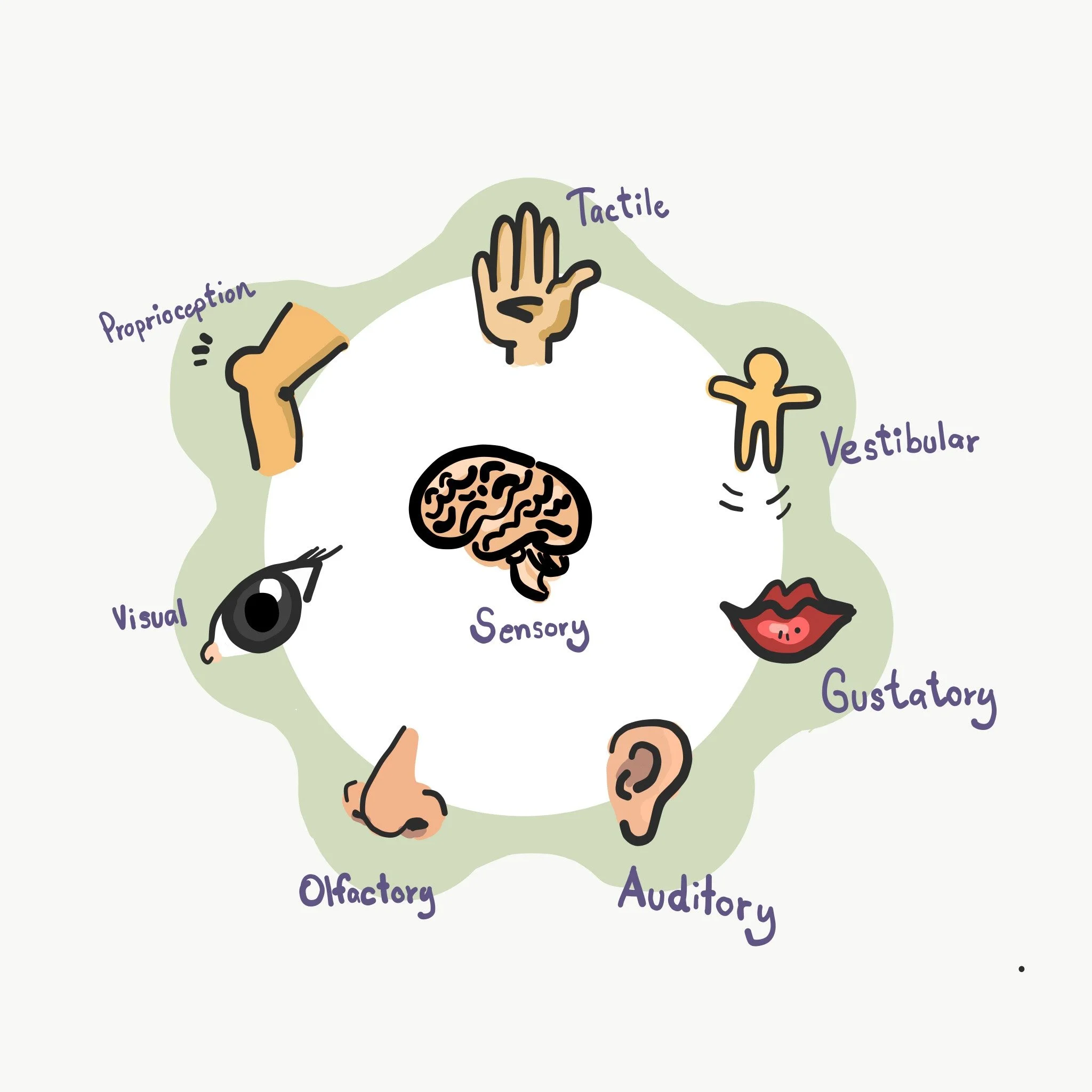
The winter holidays are often billed as the "most wonderful time of the year." We think of twinkling lights, festive music, gathering with loved ones, and delicious feasts. But for many neurodivergent individuals—those with ADHD, Autism, or Sensory Processing differences—this season can feel less like a wonderland and more like a sensory minefield.
If you or a family member is neurodivergent, you might notice that the holidays bring on extra fatigue, irritability, or the need to withdraw. This isn't about being a "Scrooge." It’s about biology.
Today, let’s talk about what sensory sensitivities actually are, why the holidays are the perfect storm for them, and how we can tweak our traditions to make sure everyone actually enjoys the celebration.

The Golden Rule of Neurodiversity: Why Accommodation Helps Everyone
In my practice at QC Psych Testing, PLLC, I often encounter the core conflict faced by neurodivergent individuals: the constant pressure to behave, think, and communicate as if they were neurotypical. We’ve talked a lot about the immense energy spent on masking—the effort to suppress natural Autistic traits or ADHD-driven behaviors just to fit in.
This brings up a crucial question about how we design our schools, workplaces, and social settings. The answer lies in a simple, foundational principle: Treating neurotypical people as if they are neurodivergent doesn't hurt them, but treating neurodivergent people as if they are neurotypical actively harms them.

Beyond the Hobbies: Embracing Intense Interests in Neurodivergent Brains
One of the most common and powerful themes that emerges is the concept of intense interests—what many in the community proudly call special interests or, in some contexts, hyper-focus. These are far more than just hobbies; they are sources of profound joy, deep knowledge, and essential regulation.
For neurodivergent individuals, these interests often run far deeper than typical pastimes, shaping identity, well-being, and daily life. Let’s explore these distinct forms of intense engagement and how they manifest in different neurotypes.